Clean Energy Innovations

Breakthroughs and practical solutions in energy efficiency, storage, smart grids, and sustainable resource use that cut emissions and optimize consumption.

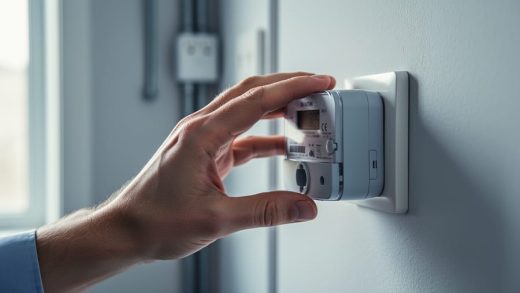
Close-up of a hand near a smart electricity kWh meter mounted on a wall, with no readable text visible.

How to Read Your kWh Usage Meter: A Step-by-Step Guide to Understanding Smart Meter Data

0

Reading your kWh usage meter takes less than five minutes and requires no special tools beyond the meter itself, whether you’re checking the digital display on your physical unit or logging into your utility’s online portal. Most smart meters update consumption data hourly, giving you a precise picture of how much electricity you’re using and when.
Understanding your electricity consumption starts with knowing where to look and what the numbers mean. Traditional analog meters display a running total through spinning dials, while …
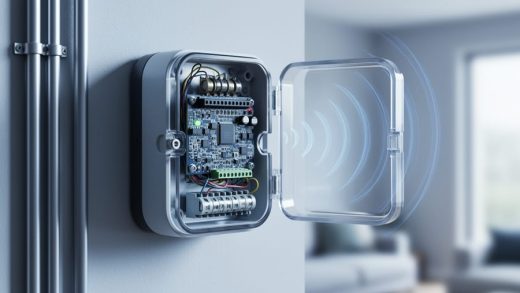
Close-up of a smart meter with its interior circuit board and sensors visible, suggesting wireless communication for tracking home energy use.

How Smart Meters Actually Track Your Energy (And What They Do With It)

0

Smart meters measure your home’s electricity, gas, or water consumption in real time and transmit that data wirelessly to your utility provider, replacing the need for manual meter readings. Unlike traditional analog meters that require a technician to visit your property and record usage from a spinning dial, smart meters use digital sensors to track consumption automatically and communicate through secure wireless networks, typically cellular or radio frequency mesh systems.
The technology centers on three core components working together. …

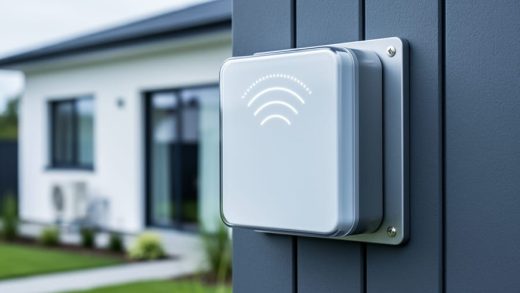
Close-up of a smart utility electricity meter installed on a home exterior with subtle illuminated indicator points suggesting wireless data transmission

Smart Meter Reading: How It Works and What You Need to Know

0

Smart meter reading replaces the manual, monthly process of utility workers visiting your home with automated, near-real-time data transmission directly from your electricity, gas, or water meter to your utility provider. Instead of someone checking your analog dial or digital display once a month, smart meters use wireless communication networks to send consumption data at intervals ranging from every 15 minutes to hourly, depending on the system and regulatory requirements…

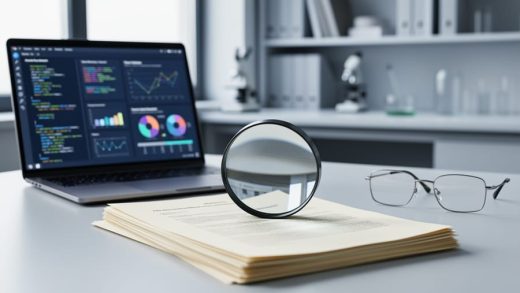
“Magnifying glass over a stack of quantitative research papers on a desk, with a laptop and researcher items in a softly lit office background.”

Why Quantitative Research Articles Carry More Weight (And How to Spot Quality Ones)

0

A quantitative research article uses numerical data and statistical analysis to test hypotheses, measure variables, and establish patterns across populations. Unlike qualitative studies that explore experiences through interviews or observations, quantitative research delivers measurable evidence through surveys, experiments, controlled trials, and structured data collection methods that can be replicated and verified.
The distinction matters because numbers alone don’t guarantee credibility. Dr. Sarah Chen, a methodology specialist at Stanford Research Institute, puts it plainly: “I’ve reviewed hundreds of papers …