Every day, chemotherapy drugs flood a cancer patient’s body, attacking malignant cells but also devastating healthy tissue along the way. Hair falls out. Immune systems crash. Nausea becomes unbearable. The fundamental problem isn’t the medicine itself—it’s that conventional drugs can’t distinguish between their intended targets and innocent bystander cells. This indiscriminate approach has defined medicine for generations, but a revolutionary paradigm is rewriting the rules: targeted delivery.
Imagine instead a microscopic courier service, where medication travels directly to diseased cells while leaving healthy tissue untouched. This isn’t science fiction. Researchers have developed nanoparticles that recognize cancer cells by their unique surface proteins, liposomes that release their payload only in the acidic environment surrounding tumors, and antibody-drug conjugates that function like molecular guided missiles. The results are transforming patient outcomes across oncology, infectious diseases, and chronic conditions.
The implications extend far beyond reducing side effects. Targeted delivery enables treatments that were previously impossible—delivering fragile RNA therapies that would normally degrade in the bloodstream, concentrating potent medications at infection sites without systemic toxicity, and even crossing the notoriously impermeable blood-brain barrier to treat neurological diseases. Dr. Robert Langer, a pioneer in drug delivery at MIT, notes that this technology “represents the difference between carpet bombing and precision strikes in medicine.”
Yet for all its promise, targeted delivery remains largely confined to research laboratories and specialized cancer centers. Cost barriers, manufacturing complexities, and regulatory hurdles slow translation from bench to bedside. Understanding how these systems work, what they can already accomplish, and what obstacles remain is essential for anyone following the future of medicine. The journey from concept to widespread clinical reality reveals both the elegant ingenuity of modern bioengineering and the persistent challenges of turning scientific breakthroughs into accessible healthcare.
What Is Targeted Drug Delivery?
Imagine a delivery service that doesn’t just drop packages on random doorsteps throughout your neighborhood, but instead uses GPS coordinates to place each parcel precisely where it belongs. This is essentially what targeted drug delivery aims to accomplish within the human body—a revolutionary approach that represents one of the most significant advances in modern medicine.
Traditional drug administration works much like broadcasting seeds across a field. When you swallow a pill or receive an injection, the medication disperses throughout your entire body via the bloodstream, reaching healthy tissues and diseased areas alike. While some of the drug eventually reaches its intended destination, much of it circulates unnecessarily through organs and tissues that don’t need treatment. This scattershot approach often requires higher doses to achieve therapeutic effects at the target site, which in turn increases the risk of side effects in healthy tissues.
Targeted delivery flips this paradigm entirely. Rather than flooding the entire body with medication, this approach uses various carrier systems—ranging from nanoparticles to antibodies—that act as molecular delivery vehicles. These carriers navigate through the bloodstream and recognize specific markers on diseased cells, much like a key fitting into a lock. Once they arrive at the target site, they release their therapeutic payload in a controlled manner.
The fundamental principles underlying targeted delivery rest on three pillars. First, site-specific delivery ensures medications accumulate preferentially at disease locations rather than distributing uniformly throughout the body. Second, controlled release mechanisms allow drugs to be dispensed at optimal rates—sometimes over hours or even weeks—maintaining therapeutic concentrations without the peaks and valleys associated with conventional dosing. Third, therapeutic precision maximizes the drug’s beneficial effects while dramatically reducing collateral damage to healthy tissues.
Dr. Robert Langer, a pioneer in drug delivery systems at MIT, describes this evolution succinctly: “We’ve moved from hoping drugs find their target to engineering systems that ensure they do.” This shift from passive distribution to active guidance represents nothing less than a fundamental reimagining of how we approach medical treatment, with implications extending far beyond traditional pharmaceuticals into fields like gene therapy and regenerative medicine.
The Science Behind Targeting: How These Systems Find Their Mark
Passive Targeting: Exploiting Natural Weaknesses
Sometimes nature’s flaws become our greatest advantages. In cancer treatment, one of these flaws lies in the chaotic architecture of tumor blood vessels. Unlike the orderly, tightly-sealed vessels in healthy tissue, tumor vessels grow rapidly and haphazardly, riddled with gaps and structural defects. This imperfection creates an opportunity for drug delivery that researchers have cleverly exploited.
The enhanced permeability and retention effect, or EPR, describes how nanoparticles between 10-200 nanometers can slip through these leaky tumor vessels and accumulate in cancerous tissue. Think of it like a sieve with inconsistent holes: larger particles stay in the bloodstream, while properly sized nanoparticles squeeze through into tumors. Once there, poor lymphatic drainage keeps them trapped, creating a natural concentration gradient.
This passive approach doesn’t require biological recognition signals or complex targeting mechanisms. The nanoparticles simply circulate until they encounter leaky vasculature, then accumulate where they’re needed most. While passive targeting alone may not achieve the precision of active targeting strategies, it forms the foundation upon which many modern nanomedicines build, offering a simple yet powerful first step toward concentrating therapeutics at disease sites.
Active Targeting: Lock-and-Key Precision
Imagine a delivery driver who doesn’t just drop packages at any door, but checks IDs to ensure the right recipient gets their parcel. That’s the principle behind active targeting in drug delivery—surface modifications transform nanoparticles into precision-guided vehicles that recognize specific cellular signatures.
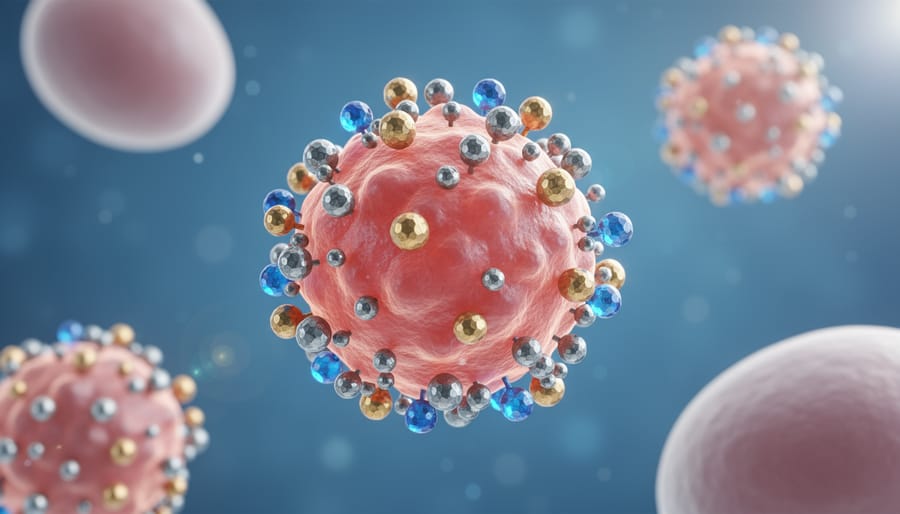
Scientists achieve this by decorating nanoparticle surfaces with molecular “keys” designed to fit specific cellular “locks.” Antibodies represent one powerful approach. Herceptin-conjugated nanoparticles, for instance, target HER2 receptors overexpressed in certain breast cancers, delivering chemotherapy directly to malignant cells while sparing healthy tissue. This specificity can reduce the severe side effects that plague conventional cancer treatment.
Peptides offer another targeting strategy. The RGD peptide sequence naturally binds to integrin receptors found on tumor blood vessels, making it useful for delivering anti-cancer agents to the tumor’s nutrient supply. Meanwhile, small molecules like folic acid exploit cancer cells’ voracious appetite for folate, which they require for rapid division. Folate-decorated nanoparticles effectively become Trojan horses, welcomed inside cancer cells that display abundant folate receptors.
Dr. Omid Farokhzad of Harvard Medical School notes that “the challenge isn’t just binding to target cells—it’s ensuring the drug actually gets released inside them.” This targeting approach has already reached patients: BIND-014, a targeted nanoparticle therapy for prostate cancer, demonstrated this concept’s clinical viability in recent trials.
Smart Systems That Respond to Their Environment
Modern drug carriers have evolved beyond simple packaging—they now function as intelligent responders that read their surroundings. These smart systems remain dormant during transport through healthy tissue but activate precisely when they encounter tumor environments. The secret lies in exploiting biological differences between diseased and normal cells.
Cancer tumors, for instance, generate acidic conditions as they rapidly consume glucose for energy. Researchers have engineered nanoparticles with pH-sensitive coatings that dissolve only when exposed to this acidity, releasing their drug payload exactly where needed. Dr. Maria Chen at Stanford’s Nanomedicine Lab explains: “We’re essentially creating molecular switches that flip on in response to disease signatures.”
Temperature-responsive carriers offer another approach. When tumors are gently heated using focused ultrasound or magnetic fields, specially designed liposomes release their contents at the elevated temperature. This dual-targeting strategy—combining location-specific heating with heat-activated release—ensures exceptional precision. Some systems respond to enzymes overproduced by cancer cells, while others detect oxidative stress markers. This environmental awareness transforms passive drug containers into active participants in treatment, dramatically reducing side effects while improving outcomes.
Technologies Making It Possible
Nanoparticle Carriers: The Workhorses of Targeted Delivery
At the heart of modern targeted delivery systems are nanoparticle carriers—microscopic vehicles measuring between 1 and 1000 nanometers that ferry therapeutic payloads directly to diseased tissues. These molecular couriers have revolutionized medicine by solving a fundamental challenge: how to deliver drugs precisely where needed while avoiding detection by the body’s vigilant immune system.
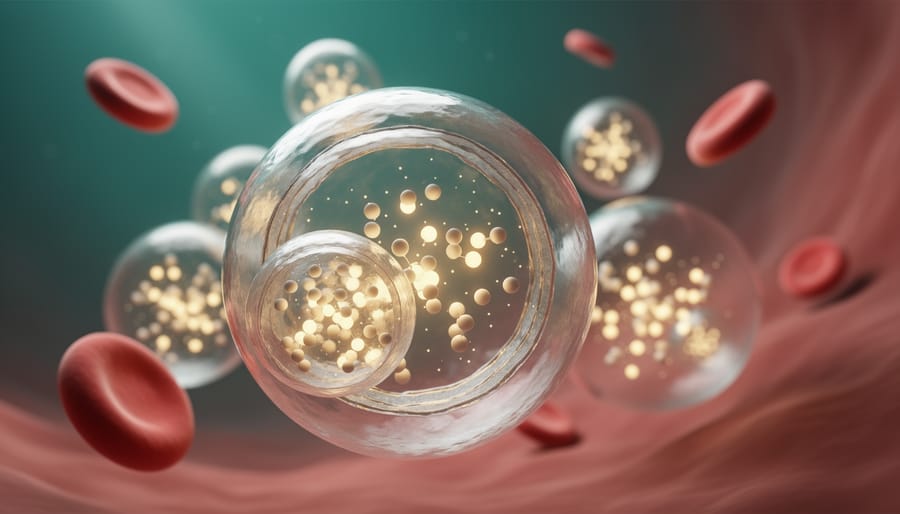
Liposomes represent the first generation of these nanocarriers and remain among the most clinically successful. These spherical vesicles consist of lipid bilayers that mimic our own cell membranes, creating a natural disguise that helps them circulate undetected. Dr. Maria Chen, a pharmaceutical scientist at Stanford University, explains: “Liposomes are like molecular Trojan horses. Their biocompatible outer shell allows them to slip past immune defenses, while their hollow interior can carry both water-soluble and fat-soluble drugs.” Doxil, a liposomal formulation of the chemotherapy drug doxorubicin, demonstrated this potential by reducing the severe cardiac side effects associated with the conventional drug.
Polymeric nanoparticles offer even greater versatility. Constructed from biodegradable polymers like PLGA, these carriers can be engineered to release their contents at controlled rates—from hours to months. Researchers can tune their size, surface charge, and degradation speed to match specific therapeutic needs. Some designs incorporate stimuli-responsive elements that release drugs only when triggered by the acidic environment of tumors or specific enzymes.
These workhorses continue evolving, with newer iterations featuring targeting ligands and stealth coatings that further enhance their ability to reach diseased cells while remaining invisible to immune surveillance.
Antibody-Drug Conjugates: Precision-Guided Missiles
Antibody-drug conjugates represent one of medicine’s most elegant solutions to a longstanding challenge: delivering powerful cancer-killing drugs directly to tumor cells while sparing healthy tissue. Think of them as precision-guided missiles with a sophisticated guidance system attached to a potent warhead.
The design is deceptively simple yet remarkably effective. Scientists attach cytotoxic drugs—often derivatives of compounds too toxic for traditional chemotherapy—to monoclonal antibodies that recognize specific proteins on cancer cell surfaces. The antibody acts as a homing device, circulating through the bloodstream until it finds and binds to its target. Once attached, the cancer cell engulfs the entire complex, releasing the drug payload inside where it can work its lethal magic.
The FDA has approved several groundbreaking antibody-drug conjugates that demonstrate this technology’s real-world impact. Kadcyla, approved in 2013 for HER2-positive breast cancer, combines the antibody trastuzumab with the microtubule inhibitor DM1. Clinical trials showed it extended survival while causing fewer side effects than conventional chemotherapy. More recently, Enhertu has shown remarkable efficacy in treating previously resistant breast cancers, with response rates exceeding 60 percent in some patient populations.
Adcetris, targeting CD30-positive lymphomas, and Trodelvy for triple-negative breast cancer further illustrate how these conjugates are transforming oncology care, offering hope where traditional treatments have fallen short.
Emerging Platforms: From Cells to Viruses
Nature’s own delivery vehicles are inspiring revolutionary approaches to precision medicine. Living cells, engineered to carry therapeutic cargo, can navigate the body’s terrain with unprecedented sophistication. Immune cells like T-cells, for instance, have been modified to seek out cancer cells, functioning as guided missiles that recognize and destroy tumors while leaving healthy tissue untouched.
Viral vectors represent another biomimetic strategy, leveraging evolution’s expertise in cellular invasion. Stripped of their disease-causing genes but retaining their remarkable ability to enter cells, these repurposed viruses deliver genetic material with exceptional efficiency. Adeno-associated viruses have already enabled FDA-approved gene therapies for inherited blindness and spinal muscular atrophy.
Scientists are also developing synthetic mimics of biological systems. Nanoparticles disguised with red blood cell membranes evade immune detection, extending circulation time dramatically. Bacterial outer membrane vesicles, naturally secreted packages that cells use for communication, are being repurposed as drug shuttles that exploit the body’s existing biological pathways.
These platforms share a common advantage: they speak the body’s language, using biological recognition signals to achieve targeting that purely synthetic systems struggle to match.
Where Targeted Delivery Is Making the Biggest Impact
Revolutionizing Cancer Treatment
The promise of targeted cancer therapy moved from theory to transformative reality when FDA approved Doxil in 1995, marking a watershed moment for patients with ovarian cancer. This liposome-encapsulated version of doxorubicin demonstrated what many researchers had hoped for: by wrapping a potent chemotherapy drug in a protective nanoparticle shell, they could deliver it preferentially to tumor sites while sparing healthy tissue from devastating side effects.
The results spoke volumes. Traditional doxorubicin caused severe cardiac toxicity in many patients, limiting treatment options and forcing difficult decisions about continuing therapy. Doxil reduced cardiac complications by approximately 80 percent while maintaining comparable anti-tumor efficacy. For women facing recurrent ovarian cancer, this meant accessing powerful treatment without the same heart-damaging consequences that had previously ended therapy prematurely.
Targeted delivery systems have fundamentally changed our conversations with patients from managing inevitable toxicity to optimizing quality of life while treating their cancer effectively.
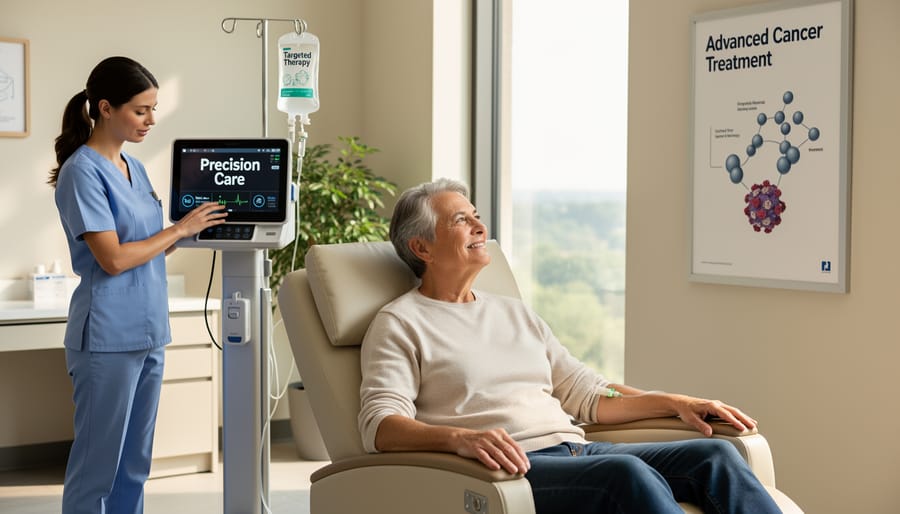
Building on this success, Kadcyla (ado-trastuzumab emtansine) represented the next evolution when it received approval for HER2-positive breast cancer in 2013. This antibody-drug conjugate combines the precision of targeted antibodies with the killing power of chemotherapy, functioning like a guided missile that recognizes cancer cells through their HER2 receptors before releasing its toxic payload. Clinical trials demonstrated a 32 percent reduction in disease progression compared to standard therapy, with notably fewer instances of the debilitating nausea and peripheral neuropathy that plague conventional chemotherapy patients. These advances illustrate how targeted delivery transforms cancer care from a blunt instrument into precision medicine.
Beyond Cancer: Infectious Diseases, Inflammation, and More
While cancer treatments have dominated headlines, targeted delivery systems are quietly revolutionizing how we approach diseases far beyond oncology. Consider the challenge facing Dr. Patricia Chen, an infectious disease specialist at Johns Hopkins, who recently treated a patient with a drug-resistant bone infection. Traditional antibiotics flooded the entire body but barely reached the infected tissue. “We needed a delivery system that could concentrate medication precisely where the bacteria were hiding,” she explains. The solution came through antibiotic-loaded nanoparticles designed to accumulate at infection sites.
Infectious diseases present unique opportunities for targeted delivery. Researchers have developed liposomes that recognize bacterial cell walls, essentially turning antibiotics into guided missiles against pathogens. This approach proves particularly valuable for tuberculosis, where bacteria hide inside lung cells. Nanoparticle systems can penetrate these cellular hideouts, delivering drugs directly to infected cells while sparing healthy tissue.
Autoimmune disorders like rheumatoid arthritis and Crohn’s disease also benefit from precision targeting. Instead of suppressing the entire immune system, newer therapies deliver immunomodulating drugs specifically to inflamed tissues or overactive immune cells. One promising approach uses particles that respond to the acidic environment characteristic of inflammation, releasing their payload only where disease activity occurs.
Cardiovascular applications are equally compelling. Scientists have engineered nanoparticles that bind to arterial plaques, delivering clot-dissolving drugs or anti-inflammatory agents exactly where atherosclerosis threatens. For neurological conditions, the challenge involves crossing the blood-brain barrier. Researchers are now developing nanocarriers with surface modifications that trick the brain’s protective gateway, potentially transforming treatment for Alzheimer’s, Parkinson’s, and multiple sclerosis.
Gene Therapy and Vaccine Delivery
Gene therapy represents one of medicine’s most promising frontiers, but delivering genetic material safely into cells has long challenged researchers. Naked DNA or RNA molecules degrade rapidly in the bloodstream and struggle to penetrate cell membranes. Targeted delivery systems solve this problem by packaging genetic cargo in protective carriers that shield it from degradation while directing it to specific tissues.
The mRNA COVID-19 vaccines demonstrated this approach’s potential on a global scale. These vaccines use lipid nanoparticles—tiny fat bubbles—to encapsulate fragile mRNA molecules. The nanoparticles’ surface chemistry allows them to fuse with cell membranes, releasing their genetic instructions inside. While not tissue-specific in the traditional sense, these particles naturally accumulate in lymph nodes where immune cells congregate, making them ideal for vaccination. According to vaccine researchers, this delivery platform can be rapidly adapted for other diseases, from influenza to cancer immunotherapy. Beyond vaccines, scientists are developing more sophisticated targeting systems that attach specific molecules to gene carriers, directing them exclusively to diseased cells while avoiding healthy tissue—a critical requirement for treating genetic disorders without unwanted side effects.
The Challenges Still Standing in the Way
Despite the remarkable progress in targeted delivery systems, significant obstacles remain between laboratory promise and widespread clinical reality. Understanding these challenges is essential for tempering expectations while appreciating the genuine complexity of translating scientific breakthroughs into practical therapies.
Manufacturing complexity represents perhaps the most immediate barrier. Dr. Rachel Chen, a pharmaceutical engineer at MIT, explains the dilemma plainly: “Creating nanoparticles with consistent size, shape, and surface properties at industrial scale is extraordinarily difficult. What works perfectly in a research lab often fails when you try to produce millions of doses.” Each batch must meet exacting specifications—particles even 20 nanometers off target might behave completely differently in the body. This precision manufacturing requires specialized equipment and expertise, driving costs skyward.
The economic reality cannot be ignored. Current targeted therapies often cost hundreds of thousands of dollars per patient annually, pricing them beyond reach for most healthcare systems worldwide. While conventional chemotherapy might cost several thousand dollars per treatment cycle, antibody-drug conjugates can exceed $150,000 for a full course. This disparity creates ethical quandaries about equitable access and sustainability that the medical community continues to grapple with.
Regulatory frameworks, understandably cautious, add years and substantial expense to development timelines. Because many targeted delivery systems employ novel materials and mechanisms, they don’t fit neatly into existing approval pathways. Regulatory agencies must evaluate not just efficacy and safety, but also the behavior of carrier materials, potential immunogenicity of targeting ligands, and long-term accumulation effects—questions that may require decades to fully answer.
The biological barriers themselves remain formidable. The blood-brain barrier, evolution’s fortress protecting our most vital organ, blocks approximately 98 percent of potential neurological drugs. While researchers have developed clever strategies—piggybacking on natural transport systems or temporarily disrupting barrier integrity—none yet offer the reliability and safety needed for routine clinical use. Similarly, the dense extracellular matrix surrounding solid tumors creates physical obstacles that prevent many nanoparticles from penetrating deeply into cancerous tissue, limiting effectiveness.
Personalization presents its own puzzle. Individual patients exhibit vastly different immune responses, metabolic rates, and disease characteristics. A targeting approach that works brilliantly for one person might fail completely in another with seemingly identical conditions. Creating truly personalized targeted therapies would require mapping each patient’s unique biological landscape—a goal that remains technologically and economically prohibitive for most applications.
These challenges, while substantial, are not insurmountable. They represent the frontier where science meets real-world complexity, demanding continued innovation, collaboration, and patience.
What’s Next: The Future of Targeted Delivery
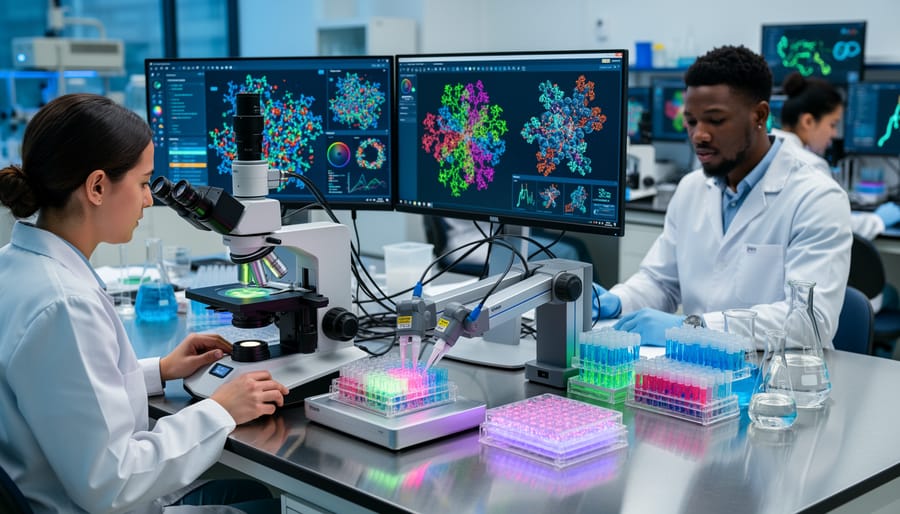
The next frontier of targeted delivery is being shaped by artificial intelligence, which is revolutionizing how scientists design drug carriers. Dr. Maya Patel, a computational biologist at Stanford, explains that machine learning algorithms can now predict how nanoparticles will interact with biological systems before a single experiment takes place. “We’re feeding these systems data on thousands of molecular structures and their behavior in the body,” she says. “The AI identifies patterns we’d never notice and suggests designs that might take us years to discover through traditional methods.” This approach has already shortened the development timeline for some experimental therapies from five years to eighteen months.
Personalized medicine is merging with targeted delivery in ways that sound like science fiction. Researchers are developing systems that can be customized based on a patient’s unique genetic profile, adjusting not just which drug reaches the tumor, but also the timing and dosage of release. At the University of Tokyo, scientists have created nanocarriers that respond differently depending on specific biomarkers in individual patients, essentially creating a bespoke delivery system for each person’s cancer.
Combination therapies represent another exciting direction. Instead of delivering a single drug, next-generation carriers can transport multiple therapeutic agents simultaneously, releasing them in carefully orchestrated sequences. Think of it as a molecular Swiss Army knife, deploying different tools at precisely the right moments to overcome cancer’s notorious ability to develop resistance.
Perhaps most surprisingly, the principles of targeted delivery are expanding beyond medicine. Environmental scientists are exploring whether similar technologies could deliver beneficial bacteria to contaminated soil or precision-deliver nutrients in agriculture, reducing chemical runoff. These applications demonstrate how a technology born from the fight against cancer might eventually help address challenges ranging from environmental cleanup to sustainable food production. The underlying principle remains the same: getting the right agent to the right place at the right time, whether that place is a tumor cell or a plot of farmland.
Targeted delivery represents more than an incremental improvement in medicine—it marks a fundamental reimagining of how we approach disease itself. Rather than flooding the entire body with therapeutic agents and hoping enough reaches the problem area, this approach treats diseases precisely where they originate, transforming patients from passive recipients of systemic treatments into beneficiaries of precision interventions.
Dr. Elena Rodriguez, director of nanomedicine research at Johns Hopkins University, frames the significance simply: “We’re witnessing the transition from treating the body to treating the disease. It’s the difference between using a sledgehammer and a scalpel.” This shift has profound implications not just for efficacy, but for quality of life—patients maintain their strength during cancer treatment, organ transplant recipients avoid the cascade of side effects from immunosuppressants, and chronic disease management becomes less burdensome.
The timeline for widespread adoption remains measured. While certain applications like antibody-drug conjugates have already entered mainstream oncology, more sophisticated approaches such as DNA origami carriers and magnetically guided nanoparticles likely remain five to ten years from routine clinical use. Regulatory frameworks continue evolving to accommodate these novel technologies, and manufacturing scalability presents ongoing challenges.
Yet the trajectory is unmistakable. As Dr. Rodriguez notes, “Twenty years ago, targeted delivery was theoretical. Ten years ago, it was experimental. Today, it’s transforming standard care—and we’re only beginning to understand its full potential.” That potential extends beyond human health into environmental remediation, agricultural applications, and industrial processes, suggesting targeted delivery may become a defining technological achievement of the twenty-first century.